

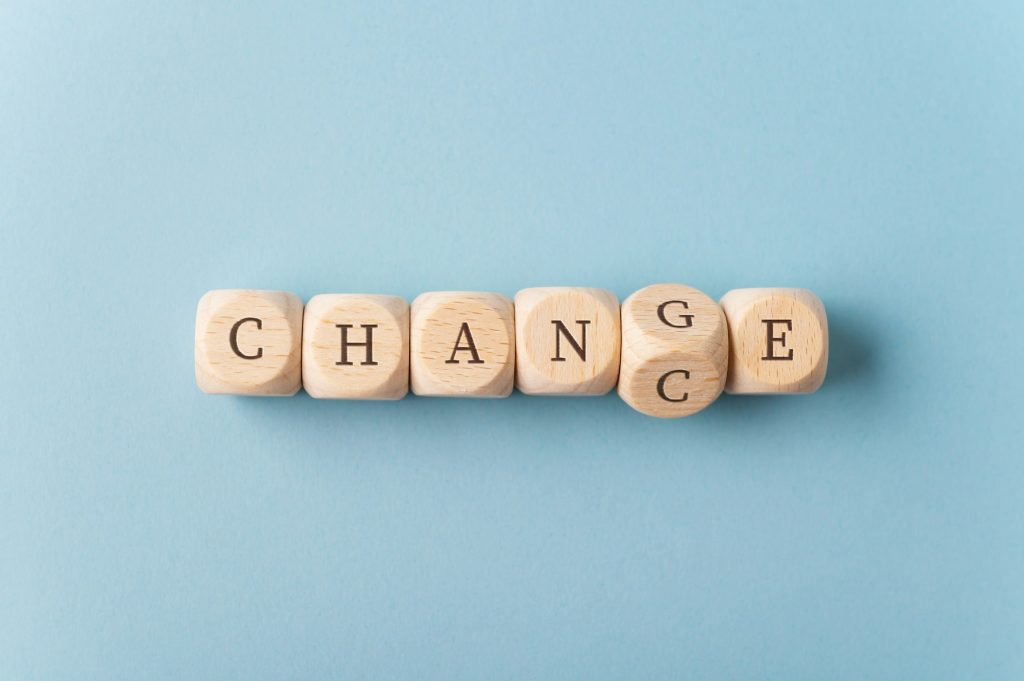
Why Should You Change?
Change is an inevitable part of life, and embracing it is essential for personal growth and fulfillment. It can be challenging to step out of your comfort zone, but doing so opens doors to new opportunities, experiences, and perspectives that you might never have imagined. Change encourages adaptability, resilience, and the development of new skills, all of which are crucial in today’s ever-evolving world.
Embracing change allows you to break free from the monotony of routine and ignite your passion for life. It is through change that you discover your true potential, uncover hidden talents, and realize dreams you never thought possible. When you face change with a positive mindset, you transform obstacles into stepping stones and challenges into opportunities for growth. Moreover, change fosters self-awareness and self-improvement. It pushes you to reflect on your current situation, identify areas for improvement, and take proactive steps towards becoming the best version of yourself. This process of continuous self-discovery and enhancement leads to greater self-confidence and a deeper sense of satisfaction.
Change also plays a crucial role in building resilience. Life is unpredictable, and the ability to adapt to new circumstances is a vital skill. By welcoming change, you become more flexible and better equipped to handle life’s uncertainties. This resilience not only helps you navigate difficult times but also empowers you to seize new opportunities with courage and optimism. By embracing change, you enrich your life with diverse experiences and perspectives. It broadens your horizons and allows you to connect with different people and cultures, and gain a deeper understanding of the world around you. This expanded worldview fosters empathy, creativity, and innovation.
In essence, change is not just important—it is the driving force behind personal and professional growth. It is crucial; it is not a luxury, it is a necessity. Now, let us talk about what stops us from moving towards it.

The Uncomfortable
Comfort Zone
The comfort zone is a psychological state where you feels familiar, safe, and at ease. It is characterized by a sense of routine and predictability, where you experience low levels of anxiety and stress. While the comfort zone can be a place of temporary refuge and relaxation, it often limits growth and potential. For example, a person might stay in a job they dislike because it feels secure, or remain in a stagnant relationship out of fear of the unknown.
Ironically, this so-called comfort zone can become quite uncomfortable over time. The initial sense of safety can turn into a stifling environment where opportunities for growth and fulfillment are missed. People often stay in their comfort zones due to fear of change, resulting in a life that feels stagnant and unfulfilled. This stagnation leads to dissatisfaction, regret, and a longing for something more, creating an uncomfortable comfort zone.

The Main Components of
Model of the World
Understanding the main components of our Models of the World (MOTW) is essential for personal and professional growth. Our MOTW comprises several key elements: beliefs, key decisions, values, references, habitual questions (primary questions), and emotions. Each component plays a critical role in shaping how we perceive and interact with the world.
Beliefs are the convictions we hold to be true, often formed through experiences and influences. They act as filters, guiding our actions and reactions. Key decisions are the pivotal choices we’ve made, consciously or unconsciously, that steer the direction of our lives. Values represent our core principles and priorities, reflecting what we consider most important and driving our motivation and behavior.
References are the accumulated knowledge and experiences that we draw upon to make sense of new situations. Habitual questions, or primary questions, are the recurring inquiries we pose to ourselves, shaping our focus and thought patterns. Emotions are the feelings that arise from our interpretations of events, influencing our mood and interactions.
Now, it is time to delve deeper into each of these components to understand their impact and how we can harness them for a more empowering and effective MOTW:

Embrace Change and
Transform Your Life
Tolerating often seems much easier than changing. This is why most people prefer to endure discomfort rather than step into the unknown. However, when you don’t change, the pain persists, and life’s challenges become increasingly difficult to navigate. So what happens next? People become addicted to the false comfort of not changing and the familiar suffering of tolerating. This suffering becomes chronic and everlasting. As you continue to avoid change, it becomes progressively harder to break free from this cycle. This is how we mistakeably create unnecessary suffering and sabotage our happiness and success.
But imagine what could happen if you chose to embrace change instead. Picture yourself breaking free from the chains of routine and stepping boldly into a new adventure. Yes, there might be uncertainty, but there will also be growth, excitement, and a renewed sense of purpose. By facing your fears and stepping out of your comfort zone, you open yourself up to a world of possibilities.
Don’t let the fear of the unknown keep you trapped in a cycle of tolerating and suffering. Choose to change, and watch as your life transforms in ways you never thought possible. Embrace the discomfort, because on the other side of it lies a life full of potential, happiness, and success. The journey might be challenging, but the rewards are worth it. Take that first step today, and start creating the life you truly deserve.

How to Embrace Change?
### Embracing Change: A Path to Growth and Excitement
Change is often daunting, but it’s also the gateway to personal growth and a more fulfilling life. To embrace change, you need to develop adaptability and take proactive action. Tony Robbins famously said, “The quality of your life is in direct proportion to the amount of uncertainty you can comfortably live with.” This means that learning to thrive amid uncertainty can lead to a richer, more rewarding life.
Adaptability is the ability to adjust to new conditions. It’s a skill that can be developed with practice. Start by gradually stepping out of your comfort zone. For instance, if you’re shy, try initiating conversations with strangers. Each small step builds your confidence and adaptability.
Taking action is crucial. Often, fear of the unknown paralyzes us, but action dispels fear. For example, if you’re considering a career change, begin by researching your desired field, networking with professionals, or taking relevant courses. These actions not only make the transition smoother but also reduce anxiety by making the unknown more familiar.
Welcoming uncertainty involves seeing it as an opportunity rather than a threat. Consider an entrepreneur who starts a new business. Initially, there’s significant risk and uncertainty, but this also means potential for growth and success. The entrepreneur’s willingness to embrace uncertainty opens doors to innovation and achievement that staying in a comfort zone would never allow.
Think of the comfort zone like a drug: it provides a temporary sense of security, but over time, it becomes detrimental. Staying in your comfort zone numbs you to the possibilities of life, stifling growth and leading to chronic dissatisfaction. In contrast, embracing change injects excitement and potential into your life.
When you adapt to this mindset, new experiences become thrilling opportunities for growth rather than threats. For example, moving to a new city might initially seem intimidating. However, once you embrace the change, you might discover new cultures, build a diverse network of friends, and find exciting career opportunities.
By welcoming uncertainty and taking calculated risks, you transform your perception of new situations. Each challenge becomes a chance to learn and grow. Instead of fearing the unknown, you start to see it as a canvas for painting your success. This shift in mindset not only excites you but also propels you toward continuous self-improvement and happiness. Here is what you need to do to make it happen:
1
Make it Your Lifestyle: Develop the habit of constant change to make it a part of your routine and lifestyle. By doing that, you will take more risks.
2
Set Small, Achievable Goals: Start with manageable changes to build your confidence. Each small success reinforces your ability to handle larger changes.
3
Practice Mindfulness: Stay present and open to new experiences. Mindfulness helps reduce anxiety about the future and makes adapting to change easier.
4
Seek Support: Surround yourself with positive, supportive people who encourage your growth. Share your goals and progress with them for added motivation.
5
Stay Curious: Cultivate a mindset of curiosity and lifelong learning. Approach new situations with a desire to learn and grow rather than fear.
6
Reflect Regularly: Take time to reflect on your experiences and growth. Acknowledge your progress and identify areas for further improvement to maintain momentum.
Now you know that embracing change is the key to unlocking a life filled with growth, excitement, and fulfillment. By developing adaptability and taking proactive steps, you can turn uncertainty into opportunities for personal and professional development. Remember, staying in your comfort zone may feel safe, but it ultimately limits your potential. Embrace the unknown, take risks, and transform your life into a thrilling adventure.


Recent Comments